
Prebiotics
.avif)
What are prebiotics anyway?
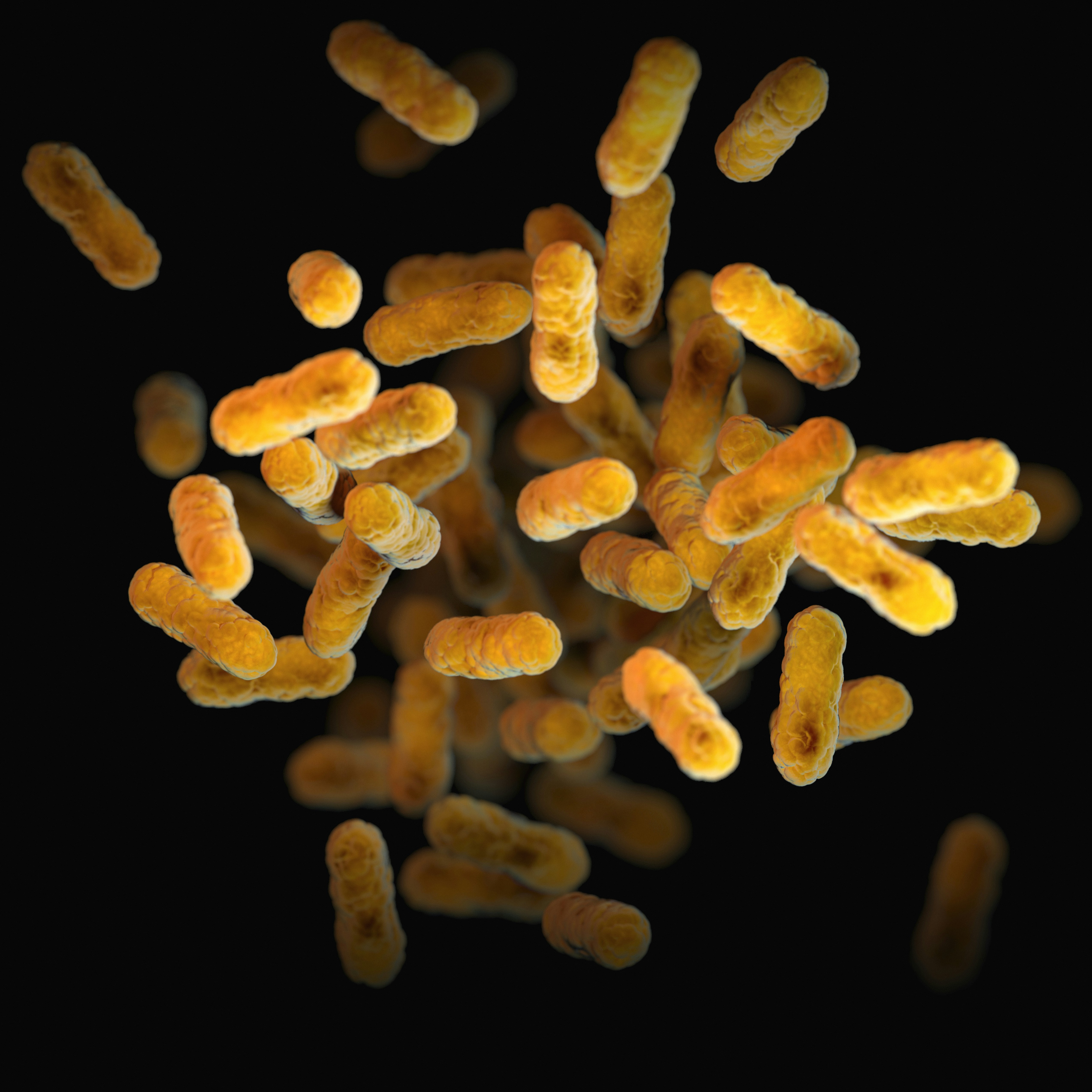
Our knowledge of the human microbiome — i.e. the entirety of all microorganisms that colonize our intestines — is constantly increasing. This complex ecosystem consists of trillions of bacteria, which can be divided into countless species and strains.
Basically, a distinction can be made between bacteria that have positive effects on our health — for example by aiding digestion and protecting against disease-causing germs — and bacteria that primarily break down undigested food components. The latter, depending on their composition and activity, may also be associated with the development of certain intestinal disorders.
Fermentation flora
The small intestine is primarily home to lactobacilli and bifidobacteria — our fermentation flora. We like to call them the “star chefs” because they break down our proteins into easily digestible pieces and help us absorb secondary plant substances, vitamins and trace elements in high numbers. Without these helpers, normal digestion that is beneficial to our health would not be possible. We also know this form of bacteria from fermented foods such as yoghurt or sauerkraut, which not only make them more durable due to their lactic acid-forming cultures, but also particularly digestible. They are products that make us healthy and are good for our body. Nothing else takes place here than during putrefactive processes. Food is broken down by bacteria. However, no one would like to eat rotten products willingly. So what is the difference here?
putrefactive germs break down proteins or their amino acids into biogenic amines, which then make them useless for us and sometimes toxic. Think of the conversion of the amino acid lysine into cadaverine, the so-called cadaverine, which we find in rotten fish or unfortunately also in tooth decay.
In addition, amines are released, which lead to toxic contamination of ammonia. Other toxins include hydrogen sulphide or trimethylamine oxides. It is precisely these substances that we produce in the large intestine when the small intestine has too few lacto and bifidobacteria (“star chefs”), so that the proteins end up in the large intestine as a result of poor digestion instead of being completely absorbed in the small intestine. The large intestine is full of putrefactive germs, which are just waiting for toxic processing. Other substances, such as secondary plant substances, are also toxically converted to phenols here.
If this condition persists over a long period of time, putrefactive bacteria can even travel from the large intestine to the small intestine. Since too little lactic acid — an important fermentation product — is formed there, the small intestine lacks natural protection against these germs. Imagine that the boys from the incinerators are suddenly standing in your “Michelin-starred kitchen” and sizzling your steak into a poisonous charcoal product.
Importance of fiber
So that we have an excellent digestion of proteins, secondary plant substances, vitamins and trace elements, we must build up many lacto-and bifidobacteria in the small intestine.
Nothing is more effective here than taking highly effective products with soluble fiber, which at the same time do not irritate an inflamed intestine. These must therefore be free of lectins, gluten and other irritants. They should also have direct and indirect anti-inflammatory effects. These prebiotics are food for our “star chefs”, which make them reproduce much more than if we simply try to absorb these germs directly through so-called probiotics.
Pre Bioma from ONE Life Sciences was specifically developed to support healthy intestinal flora. Current research results from the renowned journal Nature suggest that targeted intake of certain types of fiber may help reduce the risk of allergies and autoimmune diseases. In addition, studies show that existing symptoms of such diseases can be significantly alleviated by a balanced fiber intake.
Dr. Kay Bredehorst
(Founder and developer of Cell Education — a training platform for cell therapy with over 40,000 doctors)